How Wildlife Can Damage Roofs, Attics, and Insulation
People seeking wildlife removal often want to prevent damage to roofs, attics, and insulation, and local service providers can safely handle these wildlife-related repairs and prevention.
Many property owners in the area discover that wildlife can cause unexpected damage to their roofs, attics, and insulation. Animals such as raccoons, squirrels, and birds often seek shelter in these spaces, leading to issues like chewed wiring, torn insulation, and structural wear. Recognizing the signs early can help prevent costly repairs and maintain the safety and comfort of a home. Since wildlife can sometimes be difficult to detect until significant damage occurs, understanding how these animals interact with rooftops and attic spaces is essential for proactive property management.
Fortunately, local service providers specializing in wildlife removal can assist with addressing these concerns effectively. They are equipped to identify signs of wildlife intrusion and recommend solutions to prevent future damage. Connecting with experienced professionals ensures that any wildlife-related issues are handled humanely and thoroughly, helping property owners protect their homes from ongoing harm. Keep reading to learn more about how wildlife can impact roofs, attics, and insulation, and how local experts can help safeguard your property.
- Wildlife can damage roofs, attics, and insulation when animals like raccoons or squirrels gain entry; local contractors handle these issues by inspecting and sealing entry points. - Signs of wildlife damage may include chewed wires or nesting materials, prompting homeowners to seek local pros for removal and repairs. - Damage caused by wildlife in attics or insulation can lead to insulation contamination; local service providers specialize in removal and replacement. - When animals cause structural damage or create holes in roofing materials, local contractors can perform repairs to restore roof integrity. - Wildlife can leave behind droppings and debris that threaten indoor air quality, with local pros offering cleanup and pest-proofing services.
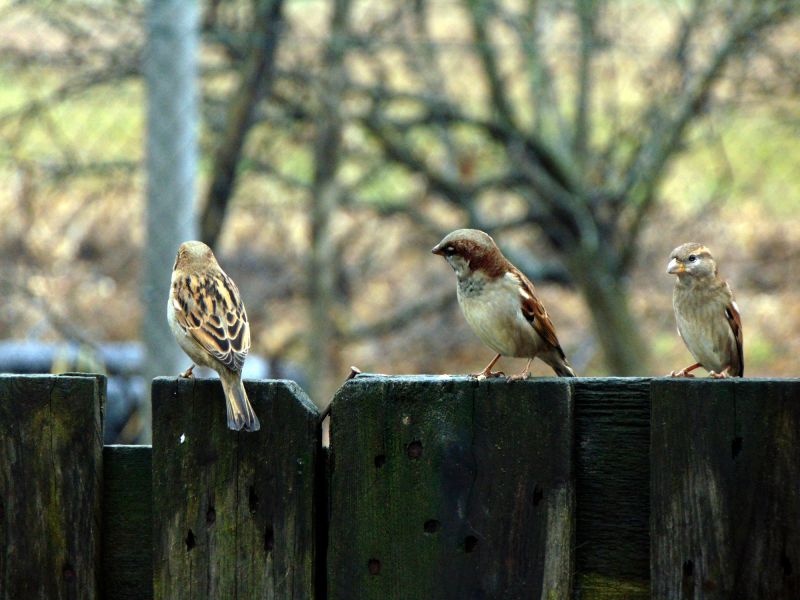
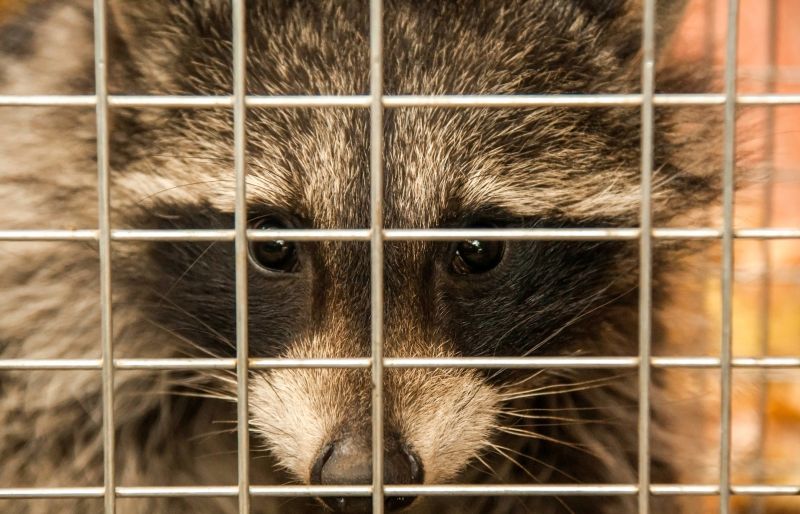
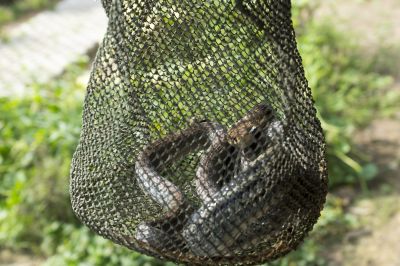
Many homeowners searching for information about how wildlife can damage roofs, attics, and insulation are often concerned about the signs of intrusion and the potential costs of repairs. This topic typically relates to issues caused by animals such as raccoons, squirrels, bats, birds, and rodents that find their way into the upper parts of a property. These animals are attracted to warm, sheltered spaces and may enter through small openings or damaged areas in the roof or eaves. Understanding the common ways wildlife can cause damage helps homeowners recognize early warning signs and plan appropriate repairs or prevention measures.
The problems associated with wildlife damage often involve structural issues and compromised insulation. Animals that gain access to attics or roof spaces may create nests, chew through wiring, and cause wood or roofing materials to weaken or break. This can lead to leaks, mold growth, and increased energy costs due to insulation being disturbed or destroyed. Homeowners might also notice foul odors, droppings, or noise, which indicate that animals are active inside the property. Addressing these issues often involves removing the animals, sealing entry points, and repairing or replacing damaged materials, making the role of local service providers essential for effective resolution.
Certain types of properties tend to be more vulnerable to wildlife damage, especially those with older or poorly maintained roofs, attic vents, or insufficient insulation. Homes in wooded or rural areas are more likely to experience wildlife intrusion because of their proximity to natural habitats. Additionally, properties with gaps, cracks, or damaged soffits provide easy access for animals seeking shelter. Commercial buildings or outbuildings with unused spaces or less frequent inspections can also be at risk. Identifying the specific property features that invite wildlife helps homeowners understand the importance of professional inspections and targeted repairs, which local contractors can provide.
Wildlife removal specialists play a crucial role in addressing damage caused by animals to roofs, attics, and insulation. These service providers are trained to safely and humanely remove animals, assess the extent of damage, and recommend effective repairs or prevention strategies. They can identify entry points that need sealing and advise on insulation replacement if necessary. For homeowners dealing with wildlife-related issues, connecting with local pros ensures that the problem is handled efficiently and thoroughly. Proper removal and repair help protect the property’s structural integrity and prevent future wildlife intrusions, making these services a vital part of maintaining a safe and secure home.
Pest Inspection and Prevention - identifying and addressing pest entry points helps prevent wildlife from causing damage to roofs, attics, and insulation, with local contractors offering inspection services.
Attic Insulation Replacement - replacing or restoring attic insulation often involves removing damaged material caused by wildlife activity, with local service providers able to handle cleanup and installation.
Roof Repair and Maintenance - repairing damaged roofing components prevents wildlife from gaining access and causing further harm to the structure and insulation, with local pros providing expert repair services.
Wildlife Damage Restoration - restoring properties affected by wildlife intrusion includes removing nests and debris, and repairing structural damage, with local contractors experienced in these services.
Gutter and Ventilation System Cleaning - clearing blockages and damage caused by wildlife nesting or debris ensures proper attic ventilation and prevents further roof damage, with local professionals offering cleaning services.
Structural Damage Assessment - evaluating the extent of damage caused by wildlife to roofs, attics, and insulation helps determine necessary repairs, with local experts providing thorough assessments.
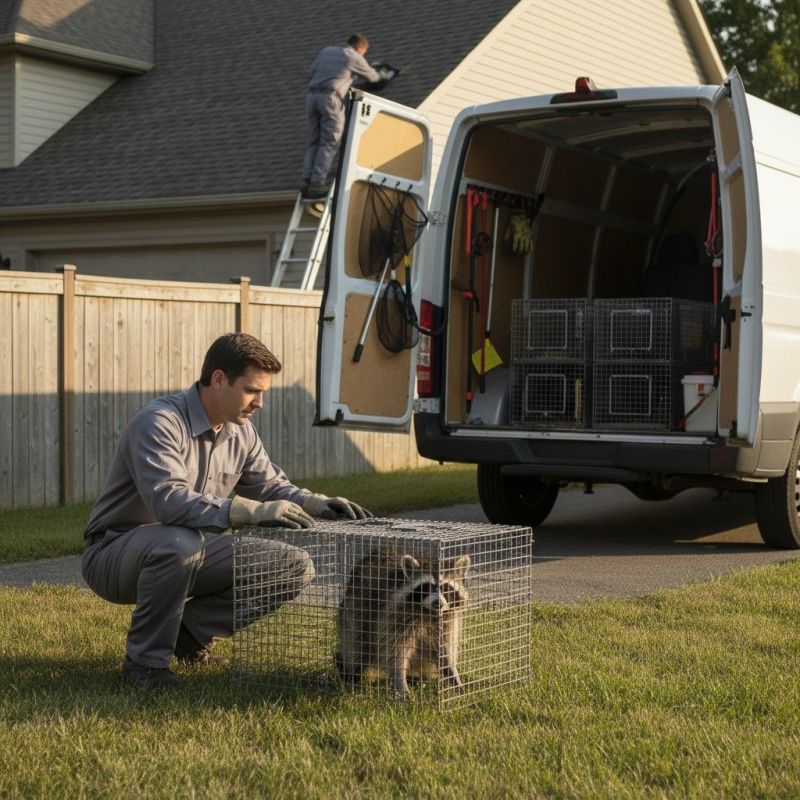
When comparing local contractors for wildlife removal services related to how wildlife can damage roofs, attics, and insulation, it is important to consider their experience with similar projects. Contractors who have handled wildlife-related damage in the past are more likely to understand the common issues and effective solutions. Asking about their background in wildlife removal and repair work can help determine if they have the necessary expertise to address the specific challenges posed by different types of wildlife, such as raccoons, squirrels, or bats, and to prevent future intrusions.
Clear written expectations are essential when selecting a service provider for wildlife-related damage repair. A reputable contractor should be able to outline what the project will involve, including inspection, removal, damage repair, and prevention measures. This clarity ensures that homeowners understand the scope of work and can evaluate whether the proposed approach aligns with their needs. Detailed documentation also helps prevent misunderstandings and provides a basis for accountability throughout the project.
Reputable references and effective communication are key indicators of a reliable wildlife removal service provider. Service providers with positive references from previous clients can offer insights into their professionalism, quality of work, and ability to handle wildlife-related issues efficiently. Additionally, good communication-such as responsiveness to inquiries and clarity in explanations-can make the process smoother and help homeowners feel confident in the contractor’s ability to manage the project. Prioritizing these qualities can lead to a more successful and stress-free experience when addressing how wildlife can damage roofs, attics, and insulation.
Property owners often search for how wildlife can damage roofs, attics, and insulation when they are planning practical projects around their homes and businesses. Local pros provide Wildlife Removal services for everyday jobs and straightforward project options.
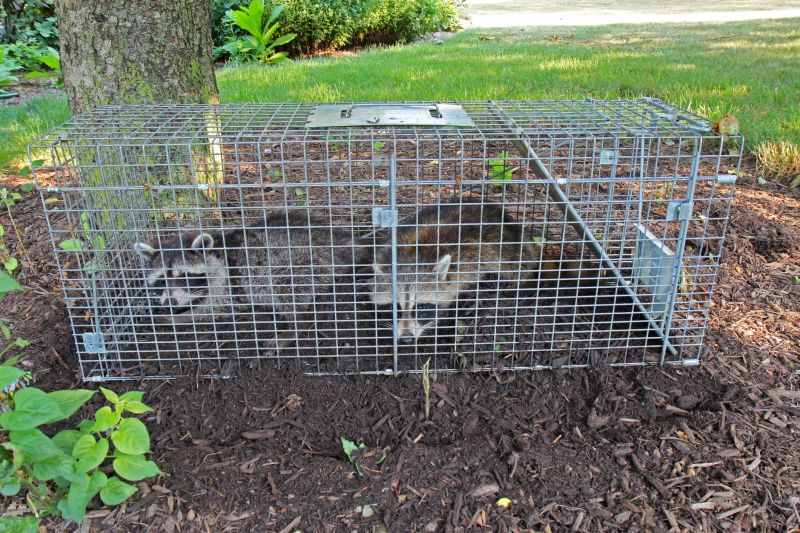
Wildlife can often find ways into roofs, attics, and insulation, especially in areas where properties are surrounded by trees or have small openings. Common invaders like squirrels, raccoons, and birds may chew through roofing materials or create entry points, leading to structural damage. Once inside, they can nest in the attic or burrow into insulation, causing clutter and potential health concerns. Property owners noticing unusual noises, droppings, or signs of chewed materials might consider seeking assistance from local contractors who specialize in wildlife removal to address these issues effectively.
Ignoring wildlife damage can result in more extensive repairs and compromised insulation, which can affect energy efficiency and indoor comfort. Local service providers experienced in wildlife removal can evaluate the extent of the damage, safely remove the animals, and help prevent future intrusions. They can also inspect and repair entry points, ensuring that roofs, attics, and insulation are protected from further wildlife-related harm. Connecting with these professionals can help property owners maintain the integrity of their homes and avoid ongoing issues caused by wildlife damage.
How can wildlife damage roofs and attics? Wildlife such as raccoons, squirrels, and birds can create holes or chew through roofing materials, leading to leaks and structural damage. They may also nest in attics, causing further deterioration and messes.
What types of damage can wildlife cause to insulation? Wildlife can disturb or destroy insulation by nesting in it, which reduces its effectiveness and can lead to increased energy costs. Their droppings and debris can also contaminate the insulation material.
Why is it important to address wildlife damage promptly? Ignoring wildlife damage can lead to more extensive issues like water leaks, mold growth, or pest infestations, which can compromise the safety and integrity of the roof and attic space.
How do local service providers handle wildlife-related roof and attic damage? Local contractors can assess the extent of damage, remove wildlife safely, repair entry points, and restore damaged insulation and roofing materials to prevent future issues.
Can wildlife damage be prevented in the future? Yes, professional wildlife removal services can install barriers and deterrents to prevent animals from re-entering roofs and attics, helping to protect the property long-term.
Identify vulnerable entry points - inspecting and sealing gaps or holes can prevent wildlife from accessing roofs and attics, reducing damage risks.
Assess insulation integrity - checking for chewed or displaced insulation helps determine if wildlife has caused harm, and professionals can restore it effectively.
Implement deterrent solutions - installing barriers or repellents can discourage wildlife from nesting or nesting in roof spaces, protecting insulation and structural components.
Schedule regular inspections - routine evaluations by local contractors can catch early signs of wildlife intrusion before extensive damage occurs.
If you are thinking about how wildlife can damage roofs, attics, and insulation for a property, this guide is meant to help you understand this topic, the typical project types, and how different options might fit your plans.
When you are ready, you can use the quote form on this page to share a few details about your project. From there, local pros can review the basics and follow up with options that match what you have in mind.