How Squirrels Damage Roofs and Attics and What to Do About It
If you're concerned about how squirrels damage roofs and attics, local contractors can provide effective removal and prevention services to protect your home.
Many property owners in the area find themselves concerned about how squirrels damage roofs and attics, especially when signs of intrusion start to appear. Squirrels are known for their ability to squeeze through small openings, chew on roofing materials, and create nests in hidden attic spaces, which can lead to significant property damage over time. Understanding these risks is essential for maintaining the integrity of a home or business, and exploring options for squirrel removal is a practical step in preventing costly repairs.
Fortunately, local service providers specialize in addressing squirrel-related issues, offering solutions to safely remove these pests and repair damage caused by their activity. Connecting with experienced contractors can help ensure that your property remains protected and that any existing damage is properly handled. Keep reading to learn more about how squirrels can impact roofs and attics, and discover how trusted local experts can assist in resolving these common challenges.
- Common Projects - Squirrel removal services are needed when squirrels have entered roofs or attics, causing damage that requires professional exclusion and cleanup.
- Squirrel damage repair is essential after signs of chewed wiring, insulation destruction, or nesting in roof spaces are observed, with local contractors providing safe removal and sealing solutions.
- Wildlife exclusion work is recommended when squirrels are suspected to be entering through vents, eaves, or gaps, and local service providers can install barriers to prevent future infestations.
- Damage assessment and repair services are useful when squirrels have caused structural harm or compromised attic insulation, with local pros offering thorough inspections and restoration.
- Preventative squirrel-proofing services are advised to protect roofs and attics from future damage, with experienced contractors implementing effective barriers and entry point closures.
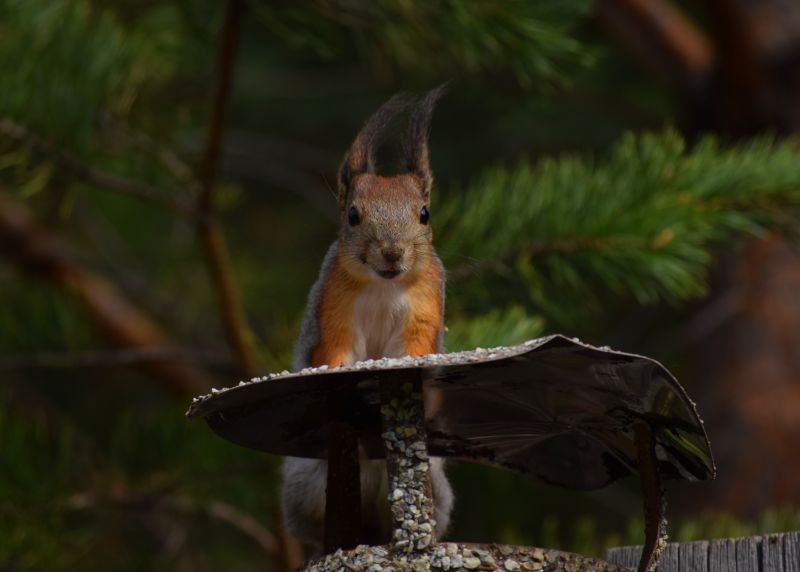
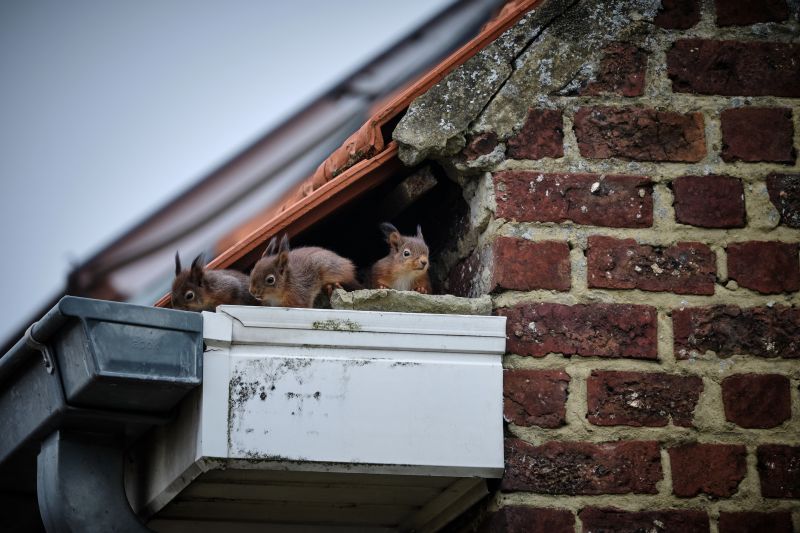
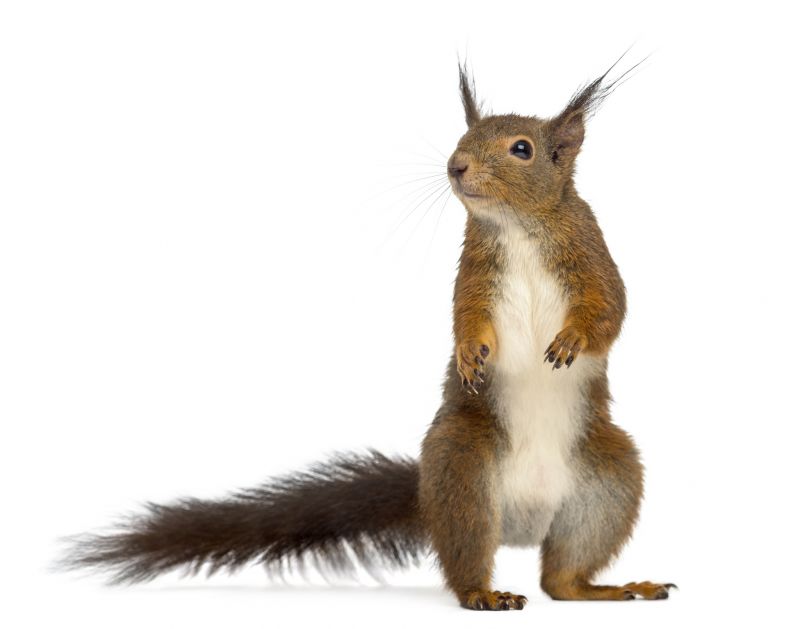
When homeowners search for information about how squirrels damage roofs and attics and what to do about it, they are typically concerned about the signs of intrusion and the potential for costly repairs. Squirrels are known for their ability to access roofs through small openings, such as vents, soffits, or damaged shingles. Once inside, they can cause damage by tearing apart insulation, chewing on wiring, and creating nests in hidden corners. These problems often lead to increased energy bills, fire hazards, and the need for extensive repairs. People interested in this topic are usually seeking ways to identify the early signs of squirrel activity and understand the risks involved, so they can decide whether professional squirrel removal and repair services are necessary.
The problems related to how squirrels damage roofs and attics often involve both structural and safety concerns. Squirrels tend to chew on wood, wires, and insulation, which can weaken the integrity of the roof and attic space. Their nesting habits can block vents and create unsanitary conditions, leading to potential health hazards. Additionally, squirrels may carry parasites or diseases that pose risks to inhabitants. Homeowners planning to address these issues often consider pest removal strategies and repairs to prevent future invasions. They may also think about installing barriers or exclusion devices to keep squirrels out permanently. Service providers specializing in squirrel removal can help evaluate the extent of damage, safely remove the animals, and recommend repairs to restore the roof and attic’s safety and functionality.
Properties that are most vulnerable to squirrel damage typically include older homes with accessible entry points, such as gaps in soffits, vents, or damaged shingles. Attics with insufficient insulation or poorly sealed openings are prime targets for squirrels seeking shelter. Residential houses in wooded areas or neighborhoods with abundant trees are at higher risk because squirrels can easily access roofs from nearby branches. Additionally, properties with fruit trees or bird feeders close to the roof may attract squirrels, increasing the likelihood of intrusion. Commercial buildings or outbuildings with similar vulnerabilities can also be affected. When these properties experience signs of squirrel activity-such as droppings, gnawed wires, or nesting materials-local service providers can assist with removal and repairs to prevent ongoing damage.
Understanding how squirrels damage roofs and attics and what to do about it helps homeowners make informed decisions about addressing these issues promptly. Recognizing the signs of squirrel activity and knowing which types of properties are at risk can guide property owners toward seeking professional squirrel removal services. Local contractors experienced in dealing with these pests can evaluate the situation, safely remove the animals, and recommend necessary repairs to prevent future problems. Proper exclusion methods, repair of damaged areas, and insulation replacement are common steps that help restore the safety and integrity of the property. Connecting with experienced service providers ensures that the problem is handled efficiently and effectively, reducing the risk of further damage and maintaining the property's value.
Attic Insulation Installation - Proper insulation installation can prevent squirrels from nesting and causing damage to roofs and attics, making this a relevant service for homeowners dealing with squirrel-related issues.
Roof Repair and Replacement - Repairing or replacing damaged roofing materials is essential when squirrels have compromised roof integrity, and local contractors can address these repairs effectively.
Gutter Cleaning and Maintenance - Clean gutters help prevent squirrels from accessing attics via roof eaves, and professionals can ensure gutters are properly maintained to reduce entry points.
Attic Pest Proofing - Sealing entry points and preventing pest intrusions are key steps in protecting roofs and attics from squirrel damage, with local service providers specializing in pest proofing solutions.
Chimney Cap Installation - Installing chimney caps can block squirrels from entering roofs through chimneys, a common access point for damage in attics and roofs.
Roof Vent Repair Services - Damaged or improperly installed roof vents can allow squirrels to enter attics; local pros can repair or replace vents to secure the roof structure.
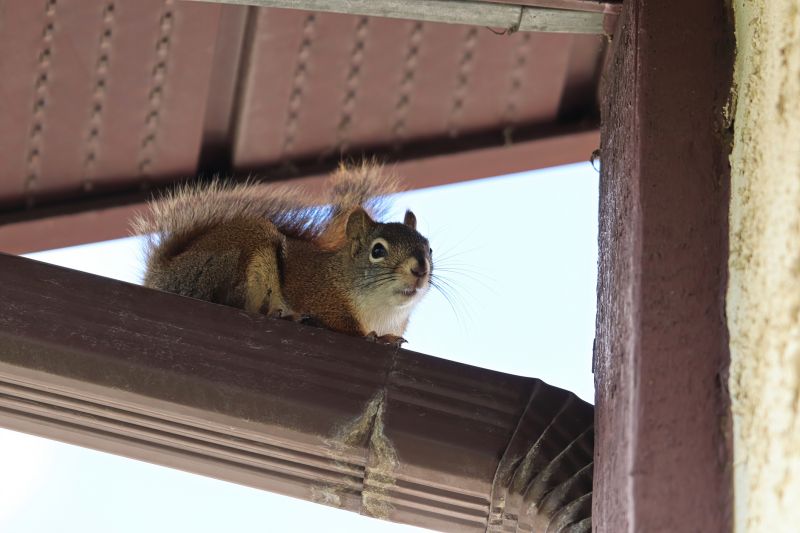
When comparing service providers for squirrel removal and related damage repair, it is important to consider their experience with similar projects. Homeowners should look for local contractors who have a proven track record of handling squirrel-related issues, particularly those involving roofs and attics. An experienced professional will understand the common ways squirrels can damage these areas and be better equipped to identify underlying problems quickly, ensuring that the work addresses both the immediate nuisance and the potential for future issues.
Clear written expectations are essential when evaluating different service providers. Homeowners should seek detailed descriptions of the services offered, including what the removal process entails, how damage will be repaired, and what steps will be taken to prevent future squirrel entry. Having these expectations clearly outlined helps avoid misunderstandings and provides a basis for comparing the scope of work among different local contractors. It also ensures that homeowners are aware of what to anticipate, making the decision process more straightforward.
Reputable references and good communication are key indicators of trustworthy service providers. Homeowners are encouraged to ask for references or reviews from previous clients who had similar squirrel-related problems. Reliable local contractors will be transparent about their past work and willing to share feedback. Additionally, effective communication throughout the process-such as prompt responses to questions and clear explanations of the work-helps ensure that homeowners feel confident and informed at every stage. This level of professionalism can make a significant difference when selecting a service provider to handle how squirrels damage roofs and attics and what to do about it.
Property owners often search for how squirrels damage roofs and attics and what to do about it when they are planning practical projects around their homes and businesses. Local pros provide Squirrel Removal services for everyday jobs and straightforward project options.
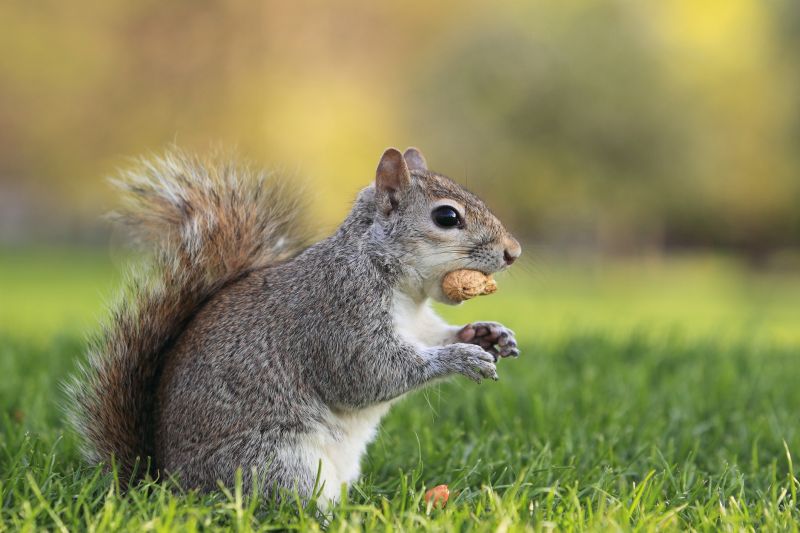
Squirrels often seek shelter and nesting spots in attics and roof spaces, which can lead to significant damage if they gain access. Property owners in the area might notice signs like chewed wiring, gnawed wood, or the presence of nesting materials, prompting concerns about both property integrity and potential health risks. When squirrels invade roofs and attics, they can create holes, dislodge insulation, and cause structural issues that may require professional removal and repairs. Local contractors specializing in squirrel removal can assess the situation, safely remove the animals, and help secure the property to prevent future intrusions.
For those dealing with ongoing squirrel activity or recent damage, turning to experienced service providers can be a practical solution. These professionals have the tools and knowledge to handle squirrel removal effectively and to repair the damage caused by these pests. Property owners seeking to protect their homes and avoid further issues often find it helpful to compare local contractors who offer squirrel exclusion and removal services, ensuring the job is done thoroughly and safely. Connecting with the right local experts can make addressing how squirrels damage roofs and attics and what to do about it more manageable and efficient.
How do squirrels damage roofs and attics? Squirrels can cause damage by chewing through roof shingles, vents, and soffits to gain access to attics, where they may create nests and gnaw on wiring or insulation, leading to structural issues and potential fire hazards.
What signs indicate squirrel activity in a roof or attic? Common signs include scratching noises, chewed or missing shingles, droppings, nesting materials, and damaged wiring or insulation in the attic space, suggesting squirrel presence and activity.
How can local contractors help prevent squirrel damage? They can install squirrel-proof barriers, seal entry points, and recommend removal services to safely eliminate squirrels and prevent future damage to roofs and attics.
What should be done if squirrels have already caused damage? Professional squirrel removal services can safely remove the animals, assess and repair structural damage, and implement exclusion measures to prevent recurrence.
Why is it important to address squirrel damage promptly? Early intervention can prevent further structural harm, reduce the risk of electrical fires, and avoid costly repairs caused by continued squirrel activity in roofs and attics.
Identify entry points - inspecting roofs and attics for gaps or holes can help property owners understand where squirrels are gaining access, enabling local contractors to seal these openings effectively.
Install deterrents - using humane deterrent devices or barriers recommended by local pros can discourage squirrels from nesting in the attic or damaging roof structures.
Schedule regular inspections - periodic assessments of roof and attic areas allow property owners to catch early signs of squirrel activity and prevent extensive damage.
Perform damage repairs - working with local service providers to repair or reinforce damaged areas ensures the roof remains secure and prevents future squirrel-related issues.
If you are thinking about how squirrels damage roofs and attics and what to do about it for a property, this guide is meant to help you understand this topic, the typical project types, and how different options might fit your plans.
When you are ready, you can use the quote form on this page to share a few details about your project. From there, local pros can review the basics and follow up with options that match what you have in mind.